A vape battery can feel harmless until its temperature rises sharply. What causes a vape battery to overheat is usually a combination of electrical stress, physical damage, poor charging habits, and blocked airflow. A warm battery deserves attention. A hot battery demands distance and caution.
Steve Kerber, Vice President of the UL Fire Safety Research Institute, has warned, “Lithium-ion batteries are safe when used properly, but they can be dangerous when they are damaged, defective, or misused.” His statement applies directly to rechargeable vape batteries. A torn battery wrap, loose connection, incompatible charger, or metal object touching the terminals can create dangerous resistance and heat. Charging on a bed or inside a car can also trap heat around the device. Small details matter.
This guide explains how to prevent a vape battery from overheating through practical, evidence-based habits. Use the manufacturer’s recommended charger. Inspect the battery before every use. Replace it after visible damage. Keep charging surfaces hard and clear. Do not leave the device charging unattended. If the battery becomes unusually hot, smells strange, swells, or makes a hissing sound, stop using it and move away safely.
No checklist is perfect. People forget.
That is why prevention should become routine, not an occasional reaction. Even careful users can miss a damaged wrapper or notice heat too late. Treat unusual warmth as an early warning, not a minor inconvenience. Safety improves when simple habits are repeated consistently.
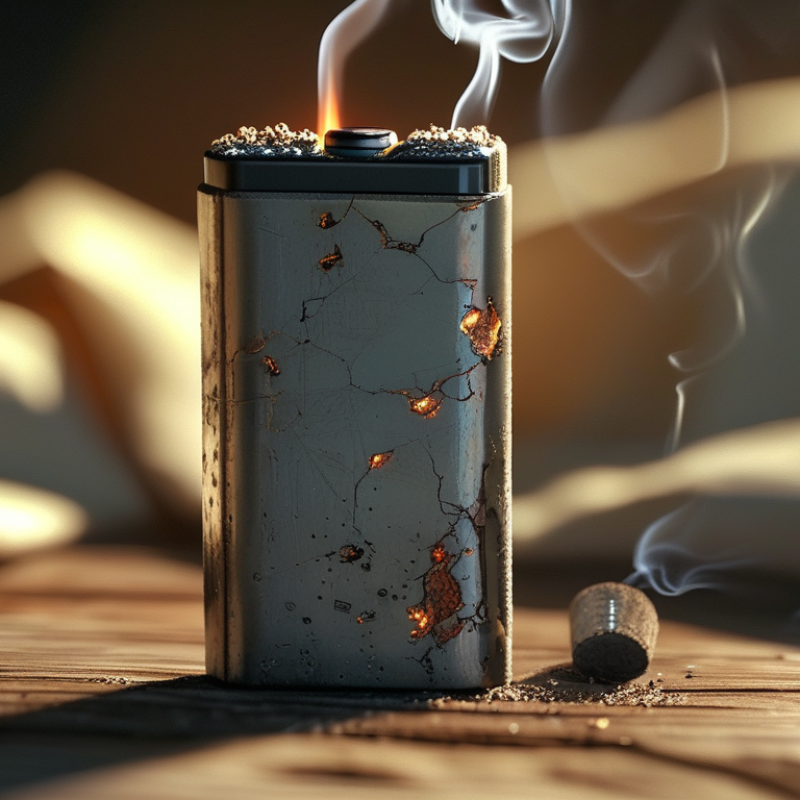
How to Prevent a Vape Battery From Overheating?
A vape battery overheats when electrical energy becomes excessive heat. Lithium-ion cells have internal resistance, so current always produces some warmth. High current, damaged insulation, or a short circuit can increase that heat quickly. A battery left in direct sunlight may also become dangerously hot. It can feel warm during use, but it should not become painful to touch.
Several small problems can combine. A loose connection may create unstable electrical contact. A bent battery casing, torn wrapper, or leaking cell can expose serious damage. Using an unsuitable charger may force the battery beyond its safe limits. I once assumed a warm device only needed a short break. That assumption was careless. Repeated heat is a warning, not a normal feature.
Stop using the device if it swells, hisses, smells unusual, or heats rapidly. Move away from flammable materials, and do not puncture or squeeze the battery. Follow the device maker’s charging instructions, use the correct cable, and charge it on a hard, nonflammable surface. Keep vents clear, especially inside a pocket or car. Never leave charging unattended. Inspect the battery regularly, even when it appears functional. If damage is visible, seek professional disposal guidance instead of placing it in household waste.
| Potential Cause | Why It Causes Heat | Common Warning Signs | Risk Level | Prevention Measures | What to Do Immediately |
|---|---|---|---|---|---|
| Short circuit | A short circuit creates an unintended low-resistance path, allowing very high current to flow through the battery. | Rapid heating, a burnt smell, damaged wrapping, unusual sounds, or device failure. | High | Use batteries with intact wraps and insulating rings. Keep loose batteries in a protective case and prevent contact with keys, coins, or other metal objects. | Stop using the device immediately. Move away from flammable materials only if it is safe to do so, and do not handle a severely hot or damaged battery. |
| Damaged battery wrapping | A torn or displaced insulating wrap can expose the battery casing and increase the chance of a short circuit. | Visible tears, cuts, dents, exposed metal, or a loose top insulating ring. | High | Inspect the battery before every use. Replace a battery with damaged wrapping rather than covering serious damage with ordinary tape. | Remove the battery from service. Do not recharge, carry it loose, or place it in household waste; follow local battery-recycling or hazardous-waste guidance. |
| Overcharging or unsuitable charging | Incorrect voltage, a defective charger, or a failed charging-control system can increase heat and stress the lithium-ion cell. | Battery becomes unusually hot during charging, charging takes much longer than normal, or the device shows repeated charging errors. | High | Use the charger and cable specified for the device. Do not use visibly damaged chargers, modify charging equipment, or leave a battery charging unattended or overnight. | Disconnect power if it can be done safely. If the battery is swelling, smoking, or producing a strong odor, keep away and contact emergency services when necessary. |
| High current demand | Low-resistance use or settings that draw more current than the battery can safely provide cause internal resistance heating. | Rapid heat buildup while vaping, especially at high power, or a device that becomes hot after only a few puffs. | Medium to High | Use a battery suitable for the device’s required current. Follow the device’s power limits and avoid settings beyond the battery or coil specifications. | Stop vaping and allow the device to cool in a safe, non-flammable location. Do not continue if the heat returns quickly. |
| Blocked airflow or chain vaping | Repeated use and restricted airflow reduce cooling time, allowing heat to accumulate around the coil, tank, and battery compartment. | Hot device body, hot vapor, reduced airflow, or heat that increases with consecutive puffs. | Medium | Keep airflow openings clear, clean the device as directed, and take breaks between puffs to allow the device to cool. | Stop using the device and place it on a stable, non-flammable surface until it returns to normal temperature. |
| Extreme environmental heat | High ambient temperatures reduce the battery’s ability to dissipate heat and can accelerate battery degradation. | Device is hot before use, battery performance changes suddenly, or the device becomes hotter than usual in warm surroundings. | Medium | Keep the device out of direct sunlight, hot vehicles, ovens, radiators, and other heat sources. Follow the operating and charging temperature limits in the device instructions. | Move it away from the heat source only when safe. Do not charge or use it until it has cooled naturally. |
| Physical impact or internal damage | Dents or internal damage can compromise the separator and create conditions for an internal short circuit. | Dents, swelling, leaking, hissing, unusual odor, or heat without active use. | High | Do not use batteries that have been dropped severely, crushed, punctured, swollen, or exposed to liquid. Replace questionable batteries. | Do not squeeze, puncture, open, or place the battery in water. Isolate it from combustible materials only if safe and seek local hazardous-waste guidance. |
| Loose or poor electrical connections | Loose contacts, corrosion, or e-liquid contamination can increase electrical resistance and produce localized heating. | Intermittent firing, sparking, hot contact points, corrosion, or a burnt smell. | Medium to High | Keep contacts clean and dry. Stop using a device with loose components, corrosion, or liquid inside the battery compartment. | Turn the device off and remove the battery only if it is cool and safe to handle. Do not continue using it until inspected or replaced. |
| Improper storage | Loose batteries can contact metal objects, while prolonged heat or moisture can damage the cell and its protective components. | Scratched wraps, unexpected warmth, corrosion, or a battery that discharges unusually quickly. | High | Store batteries in a rigid protective case, away from keys, coins, water, children, and direct sunlight. Avoid storing them in a pocket without a case. | Separate any battery showing damage or heat from other batteries and arrange safe recycling or hazardous-waste disposal. |
| Battery age or repeated use | Repeated charge cycles and aging increase internal resistance, which can make the battery run warmer and reduce capacity. | Shorter runtime, rapid voltage drop, swelling, unusual heat, or increased charging time. | Medium | Replace batteries that show reduced performance, physical damage, or abnormal heat. Use matched batteries together only when the device specifically requires it. | Stop using a battery that becomes hot during normal operation and dispose of it through an approved battery-recycling channel. |
Safety rule: A lithium-ion vape battery should not be used or charged if it is swollen, leaking, smoking, hissing, severely damaged, or unusually hot. Never place a damaged battery in household trash or attempt to repair it.
Internal resistance turns electrical current into heat. High current, damaged insulation, or a short circuit can raise temperatures quickly. Warm is acceptable. Painfully hot is not.
Stop using it if it swells, hisses, leaks, smells unusual, or heats rapidly. A bent casing or torn wrapper also signals serious damage. Do not ignore repeated heat.
Yes. Direct sunlight can heat a battery before use begins. Avoid hot cars, windowsills, and other bright, enclosed places. Shade matters.
Use the supplied charger or one with identical voltage and current ratings. Charge on a hard, nonflammable surface. Keep bedding, paper, and clothing away.
Not necessarily. A matching connector does not prove electrical compatibility. Check voltage, current, and battery type before charging.
No. Keep charging visible and attended. A timer may help. I have left devices charging too long before, and that habit was careless.
Stop using it immediately. If safe, unplug it and move away from flammable materials. Do not puncture, squeeze, open, or repair the battery.
Keep vents clear, especially in pockets or cars. Inspect charging contacts for dust, liquid, or looseness. Store the device away from heat and direct sunlight.
Do not place it in household waste. Avoid using or transporting it unnecessarily. Seek local professional disposal guidance for damaged batteries. Safety comes first.
Understanding what causes a vape battery to overheat is the first step toward preventing accidents. What causes a vape battery to overheat can include damaged cells, short circuits, excessive charging, poor ventilation, extreme temperatures, or using an incompatible device or charger. Regularly check the battery and device for swelling, dents, cracks, leaking, unusual odors, excessive warmth, or inconsistent performance. Any warning sign should be taken seriously, especially if the battery becomes hot during normal use.
Use only the correct charger designed for the device, and avoid charging unattended, overnight, or on soft surfaces such as beds and sofas. Keep batteries away from direct sunlight, water, metal objects, and extreme heat or cold. Store them in a cool, dry place where they cannot be crushed or accidentally activated. If a battery becomes unusually hot, stop using and charging it immediately, move away from flammable materials if it is safe to do so, and allow it to cool without touching it unnecessarily. A swollen, leaking, or damaged battery should not be reused.

 AceOne Vape