How to Recycle Disposable Vapes Safely and Responsibly

Time:2026-10-19 Author:Madeline
0%

Disposable vapes look small, but their environmental footprint is not. Each device may contain a lithium-ion battery, electronic parts, plastic, and residual nicotine. When placed in household rubbish, damaged batteries can ignite during collection or processing. Valuable metals may also be lost.

Material Focus reported that around five million disposable vapes were discarded weekly in the United Kingdom during 2023. Its research also showed that millions were thrown away incorrectly. The National Fire Chiefs Council has repeatedly warned about lithium-battery fires in waste streams. These findings make safe disposal more than an environmental preference. It is a practical safety responsibility.

“ We need to make it easy for people to do the right thing,” said Scott Butler, executive director of Material Focus. His point matters. Clear instructions reduce guesswork. Never crush, puncture, burn, or dismantle a disposable vape. Keep unwanted devices away from heat and children. Take them to a retailer, household recycling centre, or approved battery collection point that accepts vapes. Do not place them in general rubbish or ordinary recycling unless local guidance specifically permits it.

This guide explains How to recycle disposable vapes safely, using recognised waste-management advice and real-world precautions. It also acknowledges an uncomfortable limitation: recycling systems differ by location, and collection rules can change. Check the official council or facility instructions before travelling. A small device deserves careful handling. Even responsible habits can fail without accessible collection points, clearer labelling, and better manufacturer accountability.
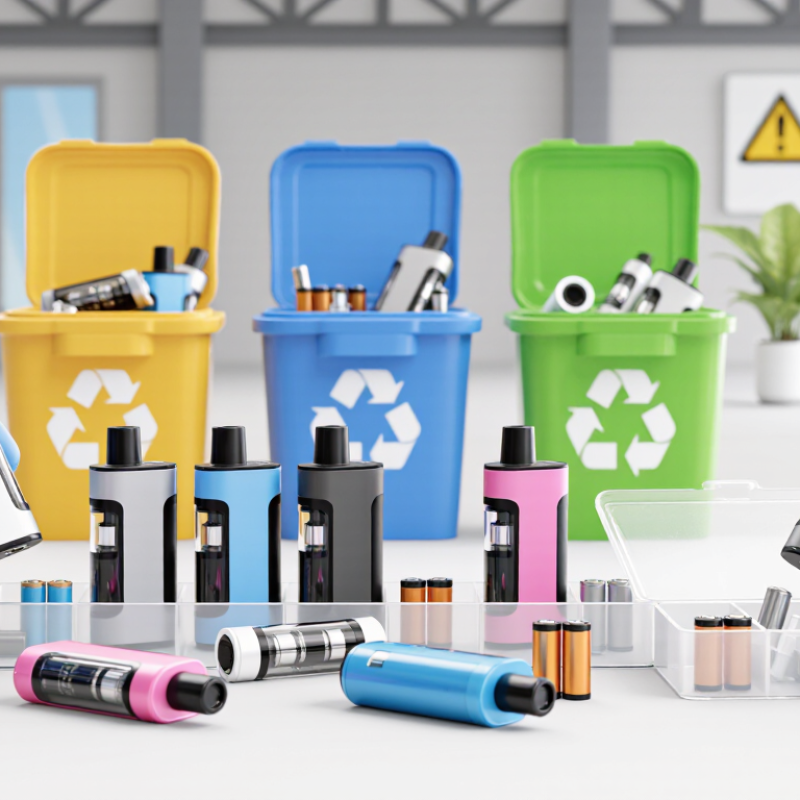
How to Recycle Disposable Vapes Safely and Responsibly

Understanding Why Disposable Vapes Require Special Recycling

How to Recycle Disposable Vapes Safely and Responsibly

Disposable vapes require special recycling because they contain built-in lithium batteries. These batteries can ignite when crushed, punctured, or exposed to heat. They also contain electronic circuits, metal parts, and plastic shells. Ordinary recycling bins cannot safely process this mixture.

Small details matter.

Do not place a used device in household rubbish or a mixed recycling bin. Do not cut it open, drain its liquid, or remove the battery by force. Keep it away from sunlight and damp areas. Store it separately in a cool, dry place until you find an approved battery or electronic-waste collection point. Some facilities accept only intact devices, so check their instructions before visiting.

I once assumed an empty device was harmless. That assumption was wrong.

Residual liquid may remain inside, even when no vapor appears. Collection staff need to know what they are receiving. Tell them it is a disposable vape and mention any swelling, leakage, heat, or damage. A leaking unit should not touch skin; place it gently in a sealed, non-metal container and seek guidance from the collection facility. Procedures differ between regions, and online advice can be incomplete. When uncertain, pause. A short call to the local waste authority is safer than guessing.

Preparing a Used Disposable Vape for Safe Handling

Preparing a used disposable vape for recycling starts with calm, careful handling. Do not crush, puncture, open, or rinse it. Lithium-ion batteries can ignite when damaged, and the U.S. Environmental Protection Agency advises keeping them out of household trash and curbside recycling bins. Place the device upright in a cool, dry area away from sunlight, heat, children, and pets. Keep it separate from keys or coins. A small paperboard box can reduce movement, but avoid sealing damaged devices tightly.

Check the device before transport. If it is swollen, leaking, hot, cracked, or producing an unusual smell, do not touch the liquid directly. Wear disposable gloves, keep the device away from flammable materials, and contact local waste authorities for instructions. Do not try to drain the battery. Do not store several damaged devices together. Material Focus reported that about five million disposable vapes were discarded weekly in the UK during 2023, equal to roughly eight every second. That volume makes careless disposal a real resource and fire concern. The WEEE Forum also estimated that 5.3 billion small electrical items entered waste streams globally in 2021. Recycling rules vary by location, so call the collection site before visiting. Ask whether it accepts disposable vapes containing lithium batteries. The process is not always convenient. That inconvenience deserves more attention.

How to Recycle Disposable Vapes Safely and Responsibly - Preparing a Used Disposable Vape for Safe Handling

Preparation Stage What to Do Why It Matters Recommended Handling Status
Stop using the device Do not continue using the disposable vape once it is empty, damaged, leaking, unusually hot, or malfunctioning. Continued use can increase the risk of battery failure, leakage, or exposure to e-liquid. Place the device on a stable, non-flammable surface while arranging safe storage or collection. Do
Do not open the casing Keep the outer casing intact. Do not dismantle, crush, bend, or attempt to remove the battery. Disposable vapes commonly contain lithium-ion batteries and electronic components that can be hazardous if damaged. Leave the device whole and follow the instructions of the local battery or electronic-waste program. Do not
Check for visible damage Look for swelling, punctures, cracks, corrosion, leaking liquid, smoke, hissing, or excessive heat without touching the liquid directly. These signs may indicate battery damage or a leaking nicotine-containing liquid. Keep people and animals away. Do not place a damaged or hot device in a household recycling bin. Use caution
Handle leaked liquid Avoid skin and eye contact. Do not taste, sniff closely, or deliberately wipe the liquid with bare hands. Many vape liquids contain nicotine, which can be harmful if absorbed, swallowed, or transferred to the eyes. Use disposable gloves if cleanup is necessary, keep the area away from children and pets, and follow local poison-control or hazardous-waste guidance after exposure. Use caution
Keep terminals protected If a battery contact or metal terminal is exposed, prevent it from touching other metal objects. Contact with metal can cause a short circuit, heat generation, or fire. Use non-conductive tape only over an exposed contact when appropriate, without wrapping a hot, swollen, or actively leaking device. Do
Store temporarily Keep the device in a cool, dry place away from direct sunlight, heat sources, water, and combustible materials. Heat, moisture, and physical pressure can damage the battery or worsen leakage. Use a separate, rigid container that prevents movement. Do not store disposable vapes loose with keys, coins, or other batteries. Do
Do not charge it Never attempt to recharge a disposable vape unless it was specifically designed and approved for charging. Unapproved charging can overheat the battery and create a fire or explosion risk. Do not connect it to a charger, computer, power bank, or improvised power source. Do not
Choose the correct collection route Search for a local household hazardous-waste, battery-recycling, electronic-waste, or specialized vape take-back service. Collection rules differ by location, and ordinary recycling systems may not be equipped to handle lithium batteries or nicotine residue. Confirm acceptance requirements before transport. Tell the staff that the item contains a lithium battery and may contain nicotine residue. Do
Prepare for transport Keep the device upright, separated from other objects, and protected from impact during a short trip to an approved collection point. Preventing movement and contact with metal reduces the chance of short circuits or physical damage. Never leave it in a hot vehicle or place it in checked luggage. Do not mail or ship it unless the carrier and applicable regulations allow it. Use caution
Dispose of contaminated materials Keep gloves, absorbent materials, or other items used to clean nicotine liquid away from general household recycling. Nicotine-contaminated materials may require different disposal treatment from ordinary packaging. Seal contaminated materials in a suitable container and contact the local hazardous-waste service for instructions. Use caution
What never goes in the bin Do not place disposable vapes in household garbage, curbside recycling, compost, or outdoor litter. Embedded lithium batteries can start fires in collection vehicles or waste-processing facilities, while residual liquid can contaminate waste streams. Use an approved collection channel instead of placing the complete device in a household waste container. Do not
Emergency response If the device smokes, sparks, catches fire, becomes very hot, or rapidly swells, move away and keep others away. A failing lithium-ion battery can release intense heat and hazardous smoke. Call local emergency services. Do not handle, puncture, or transport an actively smoking or burning device. Stop and get help

Important: Recycling and hazardous-waste rules vary by location. Always check the instructions of the local collection facility before transporting a used disposable vape, especially if it is damaged, leaking, swollen, or hot.

Finding an Appropriate Vape Recycling or Collection Facility

Finding a suitable vape recycling or collection facility is the safest disposal step. Disposable vapes contain lithium batteries and electronic parts. They should not go into household trash or regular recycling bins. Search your local government waste website for household hazardous-waste, battery, or e-waste services. These facilities usually explain which items they accept. Rules can differ between cities, so avoid relying on advice from another region.

Tips: Call before visiting. Ask whether the facility accepts complete disposable vapes. Keep the device dry, cool, and away from loose metal objects. Place it in a small container during transport, but do not crush or dismantle it. If the device is swollen, leaking, hot, or damaged, do not carry it casually. Contact the waste authority for handling instructions. I once assumed every battery drop-off accepted vape devices. That assumption was wrong.

Choose a collection point with clear public information and trained staff. A proper facility may ask you to place the device in a designated battery container. Follow its instructions instead of opening the device yourself. Do not mail it unless the service specifically permits that method. Take a photo of the facility’s acceptance guidance before leaving home. It can prevent an unnecessary trip. This small check feels inconvenient, but it improves safety and reduces sorting mistakes.

How to Recycle Disposable Vapes Safely and Responsibly

Finding an Appropriate Vape Recycling or Collection Facility

In the United Kingdom, an estimated 1.3 million disposable vapes were discarded each week in 2022, rising to almost 5 million per week in 2023. Because disposable vapes contain lithium-ion batteries, electronic components and residual nicotine, they should not be placed in household rubbish or standard recycling bins. Take them to a local household hazardous-waste, electronic-waste or battery-collection facility, and check acceptance requirements before visiting.

Source: Material Focus, UK disposable-vape disposal estimates for 2022 and 2023.

Transporting and Depositing the Device Without Causing Damage

Transporting a disposable vape safely begins with treating it as a small battery-powered device, not ordinary rubbish. Keep it intact, switched off, and away from children, pets, water, and direct sunlight. Never crush, puncture, open, or attempt to remove the battery.

For a clean, undamaged device, place it alone in a rigid box or small paper container. Prevent movement during transport. Keep it away from keys, coins, chargers, and other metal objects, which may connect the battery terminals. Do not leave it inside a hot car or carry it loosely in a pocket. A short trip is still worth handling carefully.

Check the recycling facility’s instructions before leaving home. Some collection points accept disposable vapes directly, while others require household hazardous-waste drop-off. Tell the staff that the item contains a lithium battery and may contain residual liquid. Never put it in household recycling or general waste. If the device is swollen, cracked, leaking, unusually hot, or smells strongly, do not transport it yourself. Move away from it, keep people clear, and contact local waste or fire-safety services for advice. The process can feel inconvenient. Rushing it creates greater risk.

Managing Vape Waste Responsibly After Recycling Drop-Off

Recycling a disposable vape does not end at the collection box. It begins a chain of sorting, battery handling, material recovery, and residue control. The Global E-waste Monitor 2024 reported 62 billion kilograms of electronic waste worldwide in 2022. Only 22.3% was formally collected and recycled. That gap makes every handoff important.

Choose a drop-off point that clearly accepts vapes and lithium batteries. Keep the device intact, dry, and separate from loose batteries during transport. Never place it in household rubbish or a kerbside recycling bin. After drop-off, ask where the material goes and whether a qualified downstream processor handles it. A receipt or confirmation can help, although it is not proof of complete recovery.

Be careful here.

Recycling reports show the scale of the problem. Material Focus estimated that people in the United Kingdom discarded around five million disposable vapes weekly in 2023. Many contain recoverable lithium, copper, and electronic components. Yet damaged devices may leak, ignite, or contaminate other recyclables.

If a collection site refuses a swollen, hot, or leaking unit, do not force acceptance. Move away from heat and follow its safety instructions.

I once assumed “recycled” meant everything was recovered. That assumption needs challenging. Ask better questions, keep records, and support facilities that disclose their processing route.

FAQS

Why do disposable vapes need special recycling?

They contain lithium batteries, electronic circuits, metal parts, and plastic shells. Crushing or heating them can cause fires. Ordinary bins cannot safely handle this mixture.

Can I place a used disposable vape in household rubbish?

No. Keep it out of household rubbish and mixed recycling bins. Store it separately in a cool, dry place until proper collection is available.

Should I open the device or remove its battery?

Never open, cut, drain, crush, or puncture it. Battery removal by force can cause damage, heat, or fire.

How should I store an undamaged device before recycling?

Keep it intact and away from sunlight, water, children, and pets. Place it alone in a rigid box or small paper container.

What objects should stay away during transport?

Keep keys, coins, chargers, and other metal objects away. They may connect the battery terminals. Do not carry the device loosely in a pocket.

Where can I take a disposable vape for recycling?

Contact an approved battery or electronic-waste collection point. Some facilities accept intact devices only. Check their instructions before leaving home.

What should I do if the device leaks, swells, cracks, or becomes hot?

Do not transport it yourself. Keep people away and contact local waste or fire-safety services. If safe, place a leaking unit gently in a sealed, non-metal container.

What information should I give collection staff?

Say that the item is a disposable vape with a lithium battery. Mention residual liquid, swelling, leakage, heat, or damage. Details matter.

Is an empty device harmless?

Not always. Residual liquid may remain inside, even when no vapor appears. I once assumed otherwise. That assumption was wrong.

Conclusion

How to recycle disposable vapes safely begins with recognizing that these devices contain lithium batteries, electronic components, and possible traces of nicotine liquid. Because they can leak, overheat, or create fires when damaged, they should never be placed in regular household trash or recycling bins. Before handling a used device, keep it away from heat, water, and children, and do not puncture, crush, open, or attempt to remove its battery. If the device is leaking, swollen, or damaged, place it in a safe, nonflammable area and seek guidance from an appropriate waste service.

Look for a certified battery, electronic-waste, or vape collection facility that accepts disposable vaping devices. Follow the facility’s instructions, keep the device separate from loose batteries and metal objects during transport, and place it in a protective container if advised. After drop-off, avoid storing unwanted devices indefinitely or passing them to others. Responsible recycling helps recover useful materials, reduces fire hazards, and prevents battery chemicals and liquid residues from entering the environment.

Madeline

Madeline

Madeline is a dedicated marketing professional with a wealth of expertise in our company's core offerings. With a keen understanding of the industry, she brings a unique perspective to her role, consistently delivering high-quality content that highlights the superior aspects of our products. As......