Many people wonder, "Why does my throat hurt after vaping?" This common issue can stem from various factors related to vaping. Understanding these reasons is crucial for those who enjoy vaping but experience discomfort.
Firstly, the ingredients in e-liquids can cause irritation. Propylene glycol and vegetable glycerin are common components that may dry the throat. Additionally, the temperature of vapor can be much higher than that of smoke. This can further exacerbate throat discomfort.
Another factor to consider is the frequency and intensity of vaping. Overuse can lead to a sore throat, just like any other form of inhalation. It is important to listen to your body and recognize when something feels off. Vaping may feel harmless, but awareness of its potential effects is vital for your health.
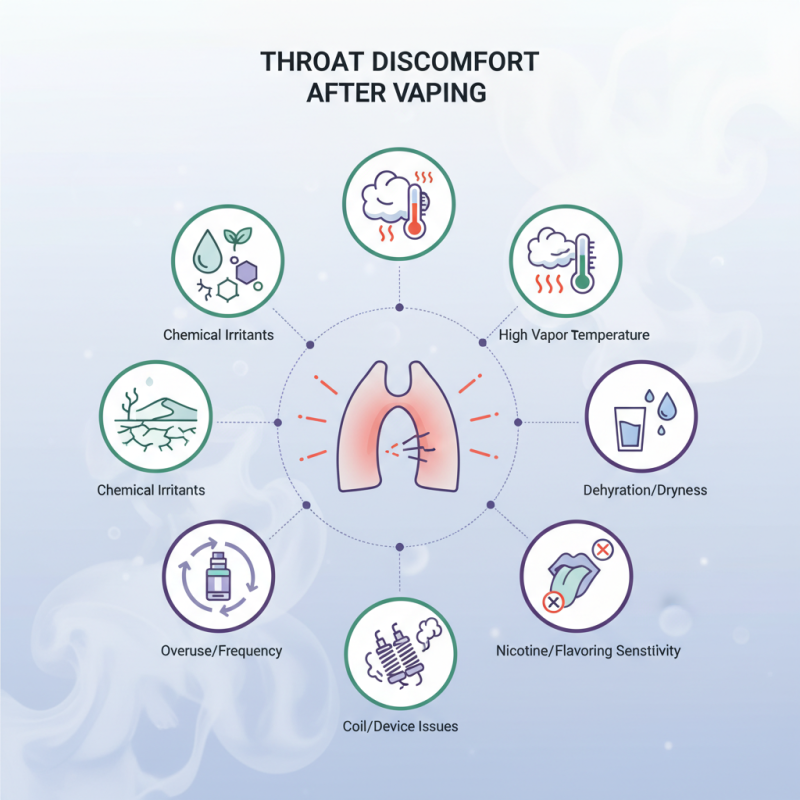
Vaping has gained popularity as an alternative to traditional smoking, but many users experience
throat irritation. An overview of common reasons for this discomfort reveals several contributing factors.
One major cause is the presence of propylene glycol (PG) in e-liquids.
A study published by the National Institute of Health found that PG can lead to dryness in the throat.
Dryness can cause irritation and an uncomfortable sensation, especially for new vapers. Furthermore,
higher nicotine concentrations can also aggravate throat tissues.
Research indicates that nicotine can cause inflammation, worsening irritation experiences.
Another culprit is the temperature of the vapor. When vapers inhale heated e-liquid, the
high temperature can irritate the throat's sensitive lining. It's essential to be mindful of the
device settings and adjust them to avoid overheating. This approach aligns with findings from the
American Journal of Respiratory and Critical Care Medicine,
which underlines the significance of temperature control in reducing throat discomfort. Adjusting these factors can lead to a more pleasant vaping experience.
Vaping has become increasingly popular, but many users report experiencing throat discomfort. The ingredients in many e-liquids—propylene glycol (PG) and vegetable glycerin (VG)—play a significant role in throat health. Both substances create the vapor that users inhale, but they can also affect throat sensitivity.
Propylene glycol is known for its ability to retain moisture. However, it can also be irritating to some individuals. When inhaled, PG can draw moisture out of the throat, leading to dryness and discomfort. This effect is particularly pronounced in dry environments or when used in high concentrations. Users might notice a scratchy sensation or persistent irritation, which can be bothersome.
Vegetable glycerin, on the other hand, is thicker and can produce denser vapor. While it is generally considered less irritating than PG, it can also contribute to throat discomfort. VG-heavy e-liquids may leave a residue that might trigger coughing or a sensation of heaviness in the throat. Some users find that they need to experiment with ratios of PG to VG to discover what works best for them. Ultimately, listening to one's body and recognizing symptoms is crucial for maintaining throat health while vaping.
The chart above shows the various reasons that can contribute to throat pain after vaping, represented by percentage severity. Factors such as high levels of propylene glycol and vegetable glycerin, as well as frequent use and the presence of irritants in vape juice, significantly affect throat health.
Vaping is popular among many adults, but it can come with discomfort.
One common issue is throat pain. Understanding how
nicotine concentrations contribute to this discomfort is essential.
Nicotine is a stimulant found in many vaping products. Higher concentrations of nicotine can lead to increased irritation in the throat.
When inhaled, vaporized nicotine can cause swelling. This irritation may feel like a scratchy throat
or a burning sensation. For some, the discomfort is more than just physical. It can also lead to
anxiety about vaping habits.
Another factor is the propylene glycol (PG) commonly used in vape liquids.
PG can be quite harsh on the throat, especially when combined with high nicotine levels. Users might find that adjusting
the nicotine concentration in their vape can alleviate discomfort. However, experimenting with nicotine does require
caution. Not everyone will learn their limits easily. It's crucial to listen to one's body and consult professionals
if discomfort persists.
Vaping has gained popularity as an alternative to traditional smoking. However, many users experience throat pain after vaping. One key reason for this discomfort is the presence of chemical irritants in e-liquids. These irritants can lead to inflammation and a sore throat.
Many e-liquids contain substances like propylene glycol and vegetable glycerin. A 2020 report from the National Institute on Drug Abuse indicated that high levels of these compounds can irritate throat tissues. Studies show that nearly 70% of vapers report throat irritation, primarily due to these chemicals. The heating process of e-liquids may also produce harmful by-products. Formaldehyde and acrolein can be released, further exacerbating throat pain.
Another factor to consider is the flavoring agents in e-liquids. Some flavoring compounds can cause allergic reactions or irritation. A study published in Tobacco Control found that certain flavorings, like cinnamon and menthol, were linked to throat discomfort in users. While these ingredients enhance the vaping experience, they may carry hidden risks. Vapers must reflect on their experiences with these irritants and their overall well-being.
| Reason | Description | Impact on Throat |
|---|---|---|
| Chemical Irritants | Many e-liquids contain chemicals that can irritate the throat. | Causes inflammation and pain. |
| Propylene Glycol | A common base in e-liquids that can cause dryness in the throat. | Can lead to irritation and discomfort. |
| Vegetable Glycerin | Can cause a thicker vapor that might irritate the throat. | May induce a cough or sore throat. |
| Flavorings | Artificial flavors can be harsh and irritating. | Fairly common cause of throat irritation. |
| Nicotine Levels | Higher nicotine concentrations can lead to irritation. | Increases sensitivity and sore throat sensation. |
| Temperature of Vapor | Hot vapor can dry out and irritate throat tissues. | Leads to a burning sensation and pain. |
| Dehydration | Inadequate fluid intake while vaping can cause dryness. | Results in a sore throat and discomfort. |
| Vaping Technique | Inhaling too deeply or too frequently may irritate the throat. | Can lead to coughing and throat pain. |
| Allergic Reactions | Some may be allergic to certain e-liquid components. | Results in inflammation and throat pain. |
Vaping has become increasingly popular, yet many users report throat discomfort. One significant factor is dehydration. The vapor produced can lead to moisture loss in the mouth and throat. This reduction in hydration can make your throat feel dry and sore after vaping, similar to the sensation of being in a arid environment.
When you vape, you inhale various chemicals along with the vapor. These substances can irritate the throat and lower moisture levels, causing discomfort. It’s essential to drink water before and after vaping. Staying hydrated can alleviate some of the irritation caused by the dry effects of vapor. Additionally, consider using a humidifier in rooms where you frequently vape to maintain overall moisture in the air.
Ultimately, individual experiences may vary. Some might find their throats hurt less with increased hydration, while others may still feel discomfort. Pay attention to how vaping affects your throat, and make adjustments accordingly. Exploring hydration levels is key to understanding and improving your vaping experience.
: Many vapers report throat discomfort, dryness, or irritation after using e-liquids.
Propylene glycol can draw moisture from the throat, leading to irritation and dryness, especially in dry conditions.
Vegetable glycerin is generally less irritating but can still cause discomfort and a heavy sensation in the throat.
Certain flavoring compounds can irritate the throat, with some users experiencing allergic reactions, especially to cinnamon and menthol.
Vaping can reduce moisture in the mouth and throat, leading to dryness and discomfort like being in a dry environment.
Staying hydrated and drinking water before and after vaping can help reduce throat irritation and discomfort.
Yes, dry environments and high concentrations of e-liquids can exacerbate throat irritation and dryness.
Understanding personal reactions to vaping can help users make better choices about e-liquids and hydration.
Users should experiment with different PG and VG ratios to find what reduces throat discomfort for them.
Each person's sensitivity varies, so while hydration may help some, others might still experience discomfort regardless of efforts.
Vaping has become a common practice among many users, yet a frequent concern surfaces: "Why does my throat hurt after vaping?" There are several reasons behind throat irritation linked to vaping, particularly factors such as high concentrations of propylene glycol and vegetable glycerin, which can contribute to dryness and discomfort. Additionally, the presence of nicotine in vaping products plays a significant role in throat irritation, often exacerbating the sensation of pain.
Moreover, chemical irritants found in various e-liquids may further irritate the throat, leading to inflammation and discomfort. It's also important to consider how hydration levels are affected by vaping; the act can deplete moisture in the throat and mouth, resulting in dryness. Understanding these factors can help users manage and mitigate throat discomfort associated with vaping.

AceOne Vape