As the vape industry evolves, one pressing question arises: "Can you refill a 'non-refillable' disposable vape?" With disposable vapes gaining over 50% market share in the U.S. by 2022, this topic is vital for both consumers and manufacturers. Industry expert Dr. Alex Turner emphasizes, "The lines between refillable and non-refillable devices are increasingly blurred." This statement highlights a significant trend toward innovation and potential confusion in product classifications.
Recent data shows that the disposable vape market is projected to reach $10 billion by 2026. This raises concerns about environmental impacts and user behaviors. Many disposable vape users seek ways to extend the lifespan of their devices, even those classified as non-refillable. It's a complex scenario. Manufacturers design non-refillable devices for ease of use, yet the demand for sustainability pushes consumers to find alternatives.
The question remains: Is refilling these devices safe and practical? Many users attempt to refill despite manufacturers' warnings. This raises safety concerns and ethical considerations regarding responsible consumption. As the landscape changes, further research is needed to guide users and develop better practices in the industry.
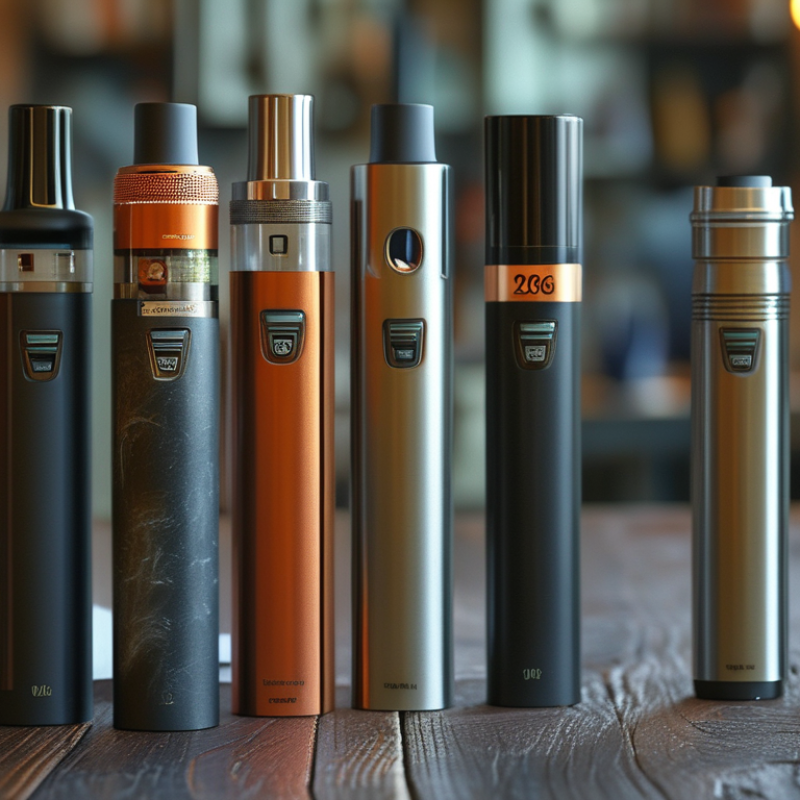
Understanding Non Refillable Disposable Vapes and Their Design
Non refillable disposable vapes have surged in popularity due to their convenience and portability. Their design caters to those who want a straightforward vaping experience without the hassle of refilling. According to market research, the disposable vape market is projected to reach $19.73 billion by 2026. This reflects a significant trend towards single-use designs.
These devices are engineered for one-time use, making them simple for both beginners and seasoned users. They typically contain a pre-filled e-liquid reservoir that must be discarded once depleted. Importantly, their components, like batteries and heating elements, are designed for durability but are often not recyclable. This raises environmental concerns. Many users overlook these implications, focusing instead on immediate satisfaction.
Understanding the limitations is crucial. Attempting to refill these devices can pose safety hazards, including leaks and overheating. Furthermore, the lack of refillability is often linked to intentional designs aimed at compliance with regulations. Such policies highlight the need for ongoing education about responsible vaping habits and environmental responsibility as the market evolves. While convenience remains a draw, the sustainability of disposable vapes requires thoughtful consideration.
Can You Refill a Non Refillable Disposable Vape in 2026?
| Feature |
Details |
| Type |
Non Refillable Disposable Vape |
| Typical Usage |
Single Use, Designed for Convenience |
| Refilling Capability |
Not Designed to be Refilled |
| Battery Life |
Limited, Pre-filled with E-liquid |
| Environmental Impact |
Increased Waste Due to Single Use Design |
| Safety Regulations |
Must Comply with Local Health Regulations |
| Popular Flavors |
Fruity, Menthol, Dessert, Tobacco |
| User Demographic |
Typically Younger Adults Seeking Convenience |
Current Regulations Surrounding Disposable Vape Products in 2026
As of 2026, regulations around disposable vape products have become more stringent. Many governments have enforced laws to limit the use of non-refillable devices. These changes aim to reduce waste and promote sustainability. However, many users still wonder about the possibility of refilling these non-refillable devices. The reality is complex.
The current legal framework often prohibits refilling non-refillable disposable vapes. This is due to safety concerns and the challenge of quality control in unregulated refills. Additionally, consumers face risks related to battery safety and device malfunctions. Vaping trends indicate a shift toward environmentally friendly options, but the industry is still grappling with the implications of these changes.
User experiences reveal mixed feelings. Some argue that refilling could extend the life of a product and reduce plastic waste. Others highlight potential health risks and the lack of oversight for refilling practices. The conversation continues as regulations evolve. It's crucial to stay informed and make responsible choices regarding disposable vape products.
Regulations on Disposable Vape Products in 2026
Potential Risks and Drawbacks of Refilling Disposable Vapes
Refilling non-refillable disposable vapes raises significant concerns. While it may seem tempting, the risks often outweigh the benefits. One of the main dangers is the potential for leakage. Disposable vapes are not designed for refilling, and repurposing them can lead to e-liquid spills. This not only wastes the product but may also damage the device.
Moreover, improperly refilling a vape can compromise safety. Disposable vapes come with built-in safety mechanisms that can fail if tampered with. Users might expose themselves to harmful chemicals if the device malfunctions. Over time, exposed materials can lead to health risks that users might not foresee.
Additionally, the quality of flavor may diminish. When users refill these devices, the consistency of the vapor and taste can be inconsistent. A cheap refill could lead to an unpleasant experience. It’s essential to reflect on these drawbacks before attempting to refill a non-refillable vape, as the possible benefits may not justify the risks involved.
Alternatives to Non Refillable Disposable Vapes on the Market
As the popularity of vaping continues to soar, many users find themselves grappling with the limitations of non-refillable disposable vapes. In 2022, the global disposable vape market reached a value of approximately $7 billion, and it's projected to grow at a compound annual growth rate of over 25% through 2026. Despite their convenience, these devices often face scrutiny for their environmental impact, as they contribute to e-waste and are usually not recyclable.
With this concern in mind, alternatives to non-refillable disposables are emerging in the market. Reusable pod systems are gaining traction for their sustainability and lower long-term costs. According to recent data, 70% of vapors express interest in switching to refillable options when made aware of the environmental benefits. These systems allow for varied flavor choices and nicotine levels, providing a more personalized experience. Furthermore, they often come with warranties and customer support, improving user confidence in their purchase.
Reflecting on the shift from non-refillable options, it’s essential to consider the user experience. Some might find refillable systems initially complex or costly. The learning curve involves understanding how to fill pods and maintain the device. However, with the increasing availability of resources, like instructional videos and community forums, many users are successfully transitioning. This evolution in vaping culture mirrors broader consumer trends toward sustainability and responsibility.
Future Trends in Vape Design: Refillable vs. Non-Refillable Options
The future of vape design is an intriguing topic. Refillable and non-refillable vapes both present unique benefits and drawbacks. Refillable devices offer customization and sustainability. Users can choose their e-liquids and refill them, reducing waste. This design can appeal to eco-conscious consumers.
Non-refillable vapes, however, are known for their convenience. They are often lighter and easier to use. But as regulations evolve, the industry faces pressure to address waste. Many users are reconsidering vape practices. Though convenient, disposing of non-refillable vapes frequently raises concerns about environmental impact.
In 2026, the trend may lean towards greener options. Manufacturers might innovate with refillable designs that are just as user-friendly as non-refillable alternatives. As user preferences shift, the landscape of vaping will likely adapt. It’s a complex issue that needs thoughtful consideration, balancing convenience and environmental responsibility.
FAQS
: They are one-time-use devices designed for convenience and simplicity in vaping.
Their portability and straightforward design appeal to both new and experienced users.
The entire device must be discarded since it cannot be refilled.
Typically, they are not recyclable, raising concerns about environmental impact.
Refilling can lead to safety hazards like leaks and overheating.
Reusable pod systems offer a sustainable and cost-effective option for vapers.
Refillable systems can seem complex and expensive for newcomers.
About 70% of vapers are interested in switching when aware of the environmental benefits.
Resources like instructional videos and forums help users learn and share experiences.
Users need to consider their convenience versus the environmental impact and sustainability.
Conclusion
The article titled "Can You Refill a Non Refillable Disposable Vape in 2026?" explores the inherent design and regulations surrounding non-refillable disposable vapes. It begins by explaining the characteristics of these devices and their intended single-use purpose, followed by an examination of the current regulations applicable to disposable vape products as of 2026.
The discussion then delves into the potential risks and drawbacks associated with attempting to refill non-refillable vapes, highlighting safety concerns and performance issues. Alternatives available on the market are also reviewed, showcasing options that offer a more sustainable choice. Lastly, the article looks ahead at emerging trends in vape design, contrasting refillable and non-refillable options to forecast future consumer preferences. Overall, while the article raises the question, "Can you refill a non-refillable disposable vape?" it highlights the complexities and challenges that come with such actions.

 AceOne Vape