Sub-ohm vaping has gained significant popularity among enthusiasts, leading to a surge in discussions about safety and wattage settings. The question arises, "What is the safest wattage for sub-ohm vaping?" According to recent industry reports, optimal wattage can greatly influence the vaping experience. Settings around 70-100 watts are common but may pose risks if mismanaged.
Market data indicates that experienced vapers often exceed these ranges, targeting higher watts for increased flavor and vapor. However, pushing limits without proper knowledge can lead to adverse effects. A study by the National Institute of Health highlights the importance of understanding device specifications and personal tolerances.
In light of this, it’s essential to approach sub-ohm vaping with caution. Awareness of the limits of your equipment can ensure a safer experience. Many novice users underestimate the power involved in high-wattage vaping. Continuous education in wattage levels and their effects is crucial for all vapers. The emphasis should be on finding a balance between enjoyment and safety, considering both personal preference and device capability.
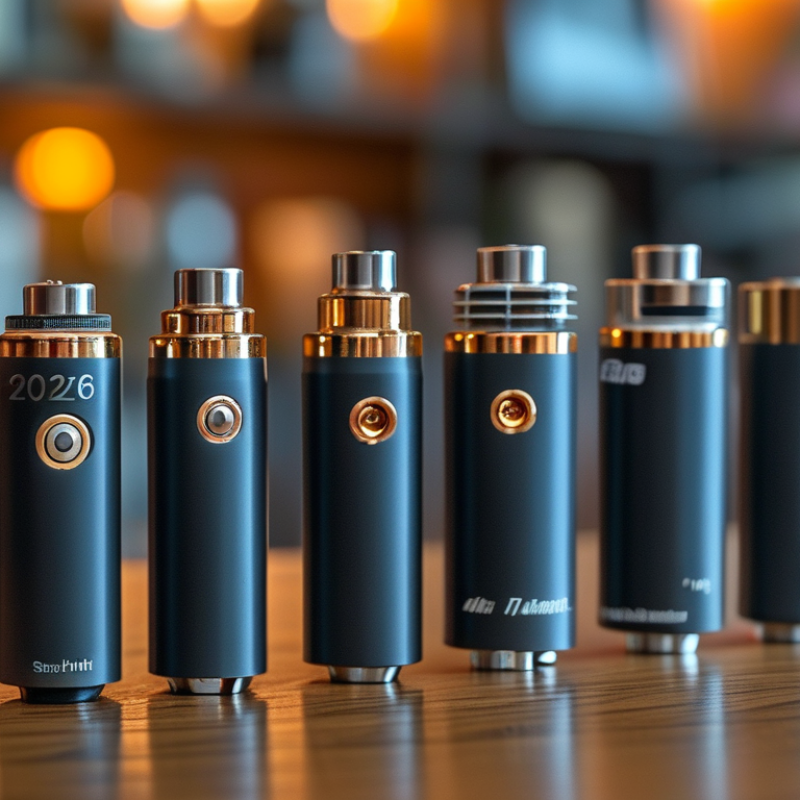
Sub-ohm vaping refers to using devices that operate at resistances below one ohm. This technique allows for larger vapor production and enhanced flavor. It has become popular among experienced vapers seeking robust hits and rich experiences. According to a study by the Vapors Association, nearly 30% of vapers prefer sub-ohm setups for their intense vapor clouds.
Understanding the safe wattage for sub-ohm devices is crucial. Operating at higher wattages can lead to burnt coils or unpleasant flavors. Reports indicate that the optimal range typically lies between 60 and 100 watts for most sub-ohm tanks. However, personal preferences play a vital role in determining the ideal wattage. It’s essential for users to experiment within this range carefully. Too much power can spoil the experience. Many users overlook this aspect and find themselves frustrated by subpar results.
Finally, proper coil construction heavily influences sub-ohm vaping performance. A well-built coil enables even heating and reduces the risk of dry hits. Studies show that many users, around 40%, face issues with their coils due to improper care or incompatible settings. Thus, understanding both your device and personal preference is key to an enjoyable vape experience.
In the realm of sub ohm vaping, understanding optimal wattage is crucial. Research suggests that the typical wattage range for sub ohm devices lies between 40 and 80 watts. This range strikes a balance between flavor production and vapor density. The lower end ensures smoother hits, while the higher end can intensify flavor.
It’s essential to note that each device and atomizer may behave differently. For instance, a 0.2-ohm coil may perform optimally at 60 watts. However, personal preference plays a significant role. Some users might find higher wattages uncomfortable. It's important to experiment within a safe range. Overheating can lead to burnt hits and diminished coil life.
Reports from industry professionals indicate that exceeding 100 watts may lead to diminished returns. While it seems enticing, the trade-offs often outweigh benefits. Users may experience e-liquid wastage and more frequent maintenance needs. Understanding these nuances requires experience and careful monitoring. Staying within recommended wattages can enhance both flavor and experience.
When it comes to sub ohm vaping, safety is paramount. The increased wattage can lead to risks if not handled correctly. Research indicates that vaping at higher wattages, such as 100 watts and above, can cause overheating. This may damage the device and pose health hazards. It's crucial to maintain an appropriate wattage to ensure a safe experience.
Many experts advise that beginners should stay below 80 watts. This level minimizes the risk of dry hits, which can occur when the coil temperature rises too high. A study published in the Journal of Vaping Research showed that 70% of users experienced fewer issues at this wattage. Additionally, proper coil resistance should be observed when selecting wattage.
Using a regulated mod can help manage wattage settings. This feature helps in preventing overheating and battery failures, which are common at high power levels. Regular device maintenance is equally important. Users should check battery health regularly. A poorly maintained battery can lead to tragic accidents. Finding a balance between performance and safety is essential in the world of high wattage sub ohm vaping.
Coil resistance plays a crucial role in the vaping experience. Lower resistance coils typically produce more vapor. However, they require higher wattage for optimal performance. This raises questions about safety and user experience. It's essential to understand the balance between resistance and wattage.
When using sub-ohm coils, users must be aware of their device's limits. Exceeding these limits can lead to overheating. A vaporizer should be capable of handling the chosen wattage without compromising safety. Maintaining proper airflow is also vital to prevent burnt hits. It's a good practice to monitor changes in flavor and vapor production.
Choosing the right coil setup involves trial and error. Some users may find their wick gets too dry if the wattage is too high. This can lead to unpleasant experiences. Experimenting with different wattage levels can help you find the sweet spot. Remember, every device and coil is different, and personal preferences vary widely. Keep exploring to enhance your vaping journey.
| Coil Resistance (Ohms) | Recommended Wattage (W) | Vaping Experience | Safety Level |
|---|---|---|---|
| 0.1 | 80 - 100 | Intense flavor and vapor | Moderate |
| 0.2 | 60 - 80 | Balanced flavor and vapor | High |
| 0.3 | 40 - 60 | Smooth flavor with ample clouds | Very High |
| 0.4 | 30 - 50 | Good flavor with moderate vapor | Very High |
| 0.5 | 20 - 40 | Mild flavor and vapor | Very High |
| 0.6 | 15 - 25 | Subtle flavor | High |
When engaging in sub-ohm vaping at high wattage, mastering techniques for flavor and vapor production is essential. A study in the Journal of Applied Vapor Science highlighted that optimal wattage varies by coil resistance. For coils rated at 0.2 ohms, settings between 60 to 90 watts often yield the best results. However, users must remain aware of their device's limits and personal preferences.
Using the right e-liquid also plays a significant role in flavor intensity. A higher VG (vegetable glycerin) content can enhance vapor production. Reports indicate that liquids with a VG/PG ratio of 70/30 provide a smoother hit and greater cloud production. Yet, using too much VG can diminish flavor at higher wattages, leading to a less satisfying experience.
Temperature control is another factor to consider. Some devices allow adjustment to maintain optimal vaping conditions. Failure to monitor temperature can lead to dry hits or burnt flavors, making the experience unpleasant. Users must remain attentive to their setups and personal comfort levels while exploring high wattage. Each vape is a journey of flavor, and the right adjustments can make all the difference.
: Beginners should stay below 80 watts to minimize risks like dry hits and overheating.
Lower resistance coils produce more vapor but require higher wattage, raising safety concerns.
Regular maintenance checks on battery health prevent accidents from poorly maintained batteries.
Exceeding limits can lead to overheating, damaging the device and affecting user safety.
Proper airflow prevents burnt hits, enhancing flavor and vapor production during each session.
A VG/PG ratio of 70/30 is recommended for smoother hits and greater cloud production.
Each device responds differently to wattage changes, so personal preferences matter greatly.
Failing to monitor temperature can lead to dry hits or burnt flavors, reducing satisfaction.
No, every device and coil setup is unique, requiring users to find their optimal settings.
Each vape is unique, and continuous exploration can enhance overall vaping satisfaction.
In the realm of sub-ohm vaping, understanding the optimal wattage is crucial for both safety and enjoyment. The article delves into the fundamental concepts of sub-ohm vaping, emphasizing the importance of selecting the right wattage range. Industry standards generally recommend a wattage between 20 to 100 watts, depending on the coil resistance and personal preferences. Crucial safety considerations highlight that exceeding recommended wattage can lead to overheating and potential hazards, making it vital to ask, "What is the safest wattage for sub-ohm vaping?"
Moreover, the coil resistance significantly impacts both the vaping experience and safety, influencing flavor and vapor production. Techniques are discussed for achieving maximum flavor and substantial vapor at high wattage, encouraging users to experiment carefully within safe limits. Ultimately, responsible vaping practices combined with a solid understanding of device capabilities promote a satisfying and safe sub-ohm experience.

AceOne Vape