2026 Best Vape Juice Why Is My Vape Juice Turning Dark Brown?

Time:2026-10-14 Author:Sienna
0%

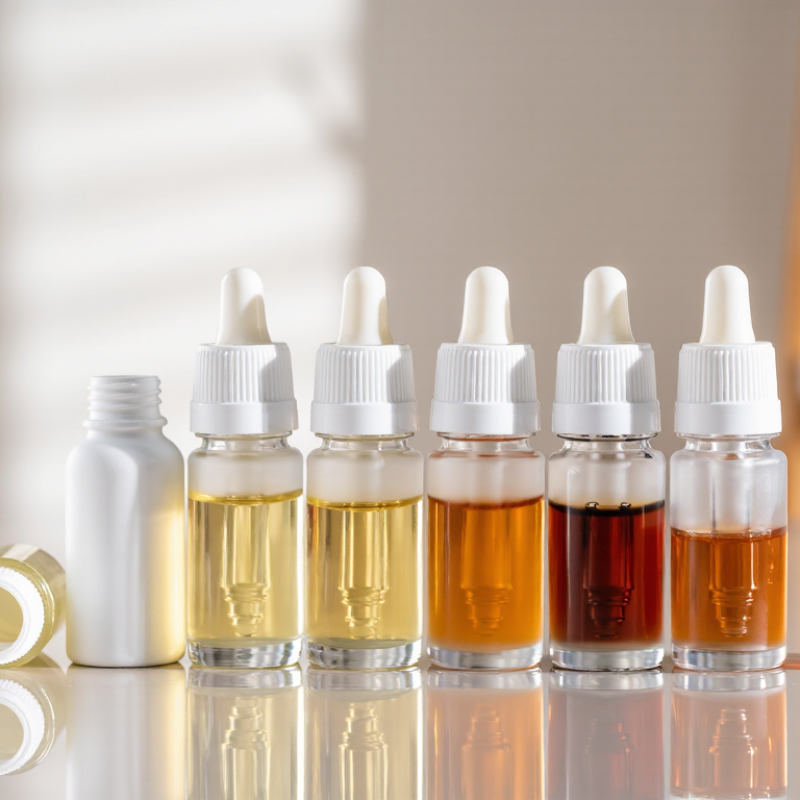
Why is my vape juice turning dark brown? This question deserves more than a quick guess. A darker bottle may reflect oxidation, heat exposure, strong flavor concentrates, or residue entering the liquid from an aging coil. Nicotine can gradually react with oxygen, changing a pale liquid into amber, brown, or even tea-like shades. Sunlight and warm storage can speed this process.

Dr. Konstantinos Farsalinos, a recognized tobacco-harm-reduction researcher, has emphasized, “E-liquids should be stored away from heat and light.” That practical advice matters. A bottle left beside a window may warm repeatedly each afternoon. An opened bottle may also absorb air every time its cap is removed. These small exposures can accumulate. Color alone is not a complete safety test. That part is easy to forget.

This 2026 Best Vape Juice guide will examine the visual clues carefully. It will separate normal steeping from possible contamination, coil backflow, or expired product. Readers should check the liquid’s smell, thickness, expiration information, and storage history. A sharp burnt odor, unusual separation, leaking container, or harsh change in taste deserves caution. Do not rely on appearance alone. When the cause remains unclear, replacing the bottle is the more responsible choice.

Some uncertainty remains. Not every brown liquid is spoiled, and not every clear liquid is fresh. Product formulas differ. Manufacturing quality also varies. The goal is not alarm. It is informed judgment, careful storage, and a safer decision before use.
2026 Best Vape Juice Why Is My Vape Juice Turning Dark Brown?

What Dark Brown Vape Juice Indicates: Nicotine Oxidation and FDA Evidence

2026 Best Vape Juice: Why Is My Vape Juice Turning Dark Brown?

Dark brown vape juice often reflects nicotine oxidation. Oxygen reacts with nicotine over time, especially when the bottle meets heat, sunlight, or repeated opening. The liquid may shift from clear to yellow, amber, or brown. A peppery smell, sharper throat sensation, and weaker flavor can appear too. These changes suggest aging, but color alone cannot confirm contamination.

FDA scientific and regulatory materials recognize that ingredients and emissions can change during storage and use. However, FDA evidence does not establish dark color as a universal safety test. A brown liquid may contain oxidation products, yet shade cannot show their exact amount. That limitation matters. One visual clue is not laboratory proof.

Check the bottle for its expiry information, damaged seals, cloudiness, floating particles, or unusual separation. Store it upright in a cool, dark place, and avoid leaving it in a hot car. If the smell or taste seems noticeably different, discard the liquid rather than testing it repeatedly. Personal storage habits can affect the result, and I have to admit that appearance is easy to overinterpret. For dependable assessment, a qualified laboratory must analyze the liquid, not just inspect its color.

2026 Best Vape Juice: Why Is My Vape Juice Turning Dark Brown? — What Dark Brown Vape Juice Indicates: Nicotine Oxidation and FDA Evidence

Data Dimension What the Observation May Indicate Scientific or Regulatory Evidence Recommended Interpretation
Color change A clear or pale liquid becoming yellow, amber, or dark brown can be consistent with chemical aging. Nicotine can react with oxygen and form oxidation products, which may darken the liquid over time. Color alone does not prove that nicotine oxidation occurred or establish that the liquid is safe.
Exposure to air Frequent opening, loose caps, or a partially filled container can increase contact with oxygen. Oxidation reactions generally require or accelerate in the presence of oxygen, particularly during prolonged storage. Keep containers tightly closed and avoid repeatedly opening older liquid.
Light and temperature Sunlight, heat, and temperature fluctuations may accelerate discoloration and chemical degradation. Chemical reaction rates commonly increase with heat; light and heat can also affect nicotine and flavoring stability. Store in a cool, dark place and follow the storage instructions on the product packaging.
Flavoring and formulation Some flavor ingredients or sweeteners can naturally create a yellow or brown appearance or change color during storage. A dark color is not specific to nicotine oxidation; ingredients can interact and produce different colors over time. Compare the liquid with its original appearance, smell, label information, and storage history.
Darkening inside a used tank Residue from the coil, wick, or repeated heating can make liquid in the tank appear darker than unused liquid. Heating can alter e-liquid components and produce residue; tank color is not a reliable measure of bottle stability. Do not use tank appearance alone to judge unopened or freshly stored liquid.
Odor, texture, and visible particles An unusual smell, separation, unexpected thickness, cloudiness, or particles may indicate deterioration or contamination. These signs are not specific chemical tests, but they indicate that the liquid no longer matches its expected condition. Do not use liquid with an abnormal odor, visible contamination, damaged packaging, or unexplained separation.
FDA evidence status The FDA regulates tobacco products, including electronic nicotine delivery systems, but dark brown color is not an FDA safety classification. FDA materials address tobacco-product regulation, ingredient reporting, manufacturing information, and health risks. They do not state that color alone confirms nicotine oxidation or product safety. Treat FDA information as regulatory and health guidance, not as a visual quality test for e-liquid.
Nicotine exposure risk Nicotine-containing liquid can be harmful if swallowed or absorbed through the skin, regardless of color. FDA and poison-control guidance recognizes liquid nicotine exposure as a potential poisoning hazard, especially for children and pets. Keep all nicotine liquids locked away, avoid skin contact, and seek urgent medical or poison-control advice after suspected exposure.
Practical decision Dark brown liquid with a strong change in smell, particles, leakage, expired dating, or uncertain storage has a higher uncertainty level. Visual inspection cannot identify exact oxidation products, nicotine concentration, microbial contamination, or toxicological risk. When condition or storage history is uncertain, the safest choice is not to use the liquid and to dispose of it according to local hazardous-waste guidance.
Key takeaway: Dark brown vape juice may be associated with nicotine oxidation, heat, light, air exposure, flavoring reactions, or tank residue. Color alone cannot confirm chemical composition, product quality, or safety.

Reference basis: U.S. Food and Drug Administration guidance on electronic nicotine delivery systems, tobacco-product regulation, ingredient reporting, and liquid nicotine exposure; general chemical principles concerning oxidation, heat, light, and storage stability.

How Heat, Light, Air, and Time Accelerate E-Liquid Discoloration

Why Is My Vape Juice Turning Dark Brown?

E-liquid usually darkens when nicotine reacts with oxygen. Heat, light, and time accelerate this oxidation. A clear liquid may slowly become amber, then brown. The change can appear faster after repeated opening, when warm air enters the bottle. It may also happen around a device’s hot coil, where residue and flavor compounds concentrate.

Temperature matters. The ICH Q1A(R2) stability guideline uses 40°C and 75% relative humidity for accelerated testing, showing how heat speeds chemical change. Light matters too. USP packaging guidance treats light-sensitive liquids as products needing protective containers. A 2023 National Academies review also identified chemical instability as a concern in vaping liquids, although it did not define one universal “safe color.”

Store bottles tightly closed, upright, and away from windows, cars, and radiators. A cool, dark cupboard is better. Do not rely on color alone. Smell, separation, harshness, and unusual thickness deserve attention. That bottle may be past its best.

One overlooked detail: dirty hardware can mimic liquid aging. Wipe the connection and inspect the coil separately. I have seen users blame storage when overheated equipment caused the darker appearance. That assumption is easy, but not always correct.

How PG/VG Ratios, Flavorings, Nicotine Strength, and pH Affect Color

2026 Best Vape Juice: Why Is My Vape Juice Turning Dark Brown?

Color changes usually begin with oxidation. Nicotine reacts with oxygen, light, and heat over time. Higher nicotine strength can make this change more noticeable. A bottle opened repeatedly may darken faster than a sealed one.

PG is usually clear, while VG can look slightly yellow. Higher VG mixtures may therefore appear warmer in color. Flavorings also matter. Dark extracts, spices, and sweet flavor compounds can deepen the liquid. Heat may intensify these reactions, especially inside a warm car or near a window. A cooler, dark cupboard is safer for storage.

pH adds another layer. Acidic flavorings can shift the liquid’s pH and change nicotine behavior. These changes may affect oxidation, harshness, and color stability. Still, pH alone does not explain every brown bottle. Formulation, air exposure, and storage history often overlap.

Color is an imperfect test. I would not judge safety from appearance alone. Check for an unusual smell, floating particles, separation, leaking, or a sharp taste. If several signs appear, stop using the liquid and replace it. Record the opening date next time. It is a small habit, but it reveals patterns.

What NCBI Studies and Manufacturer Data Reveal About E-Liquid Stability

2026 Best Vape Juice: Why Is My Vape Juice Turning Dark Brown?

Dark brown e-liquid often signals oxidation, especially when nicotine reacts with oxygen. NCBI-published research describes nicotine degradation as a process influenced by light, heat, oxygen, and moisture. Flavor compounds may also change during storage. A clear liquid can slowly resemble weak tea after repeated bottle opening. That color change is not automatically proof of contamination. Still, it deserves attention.

Manufacturer stability data commonly examine temperature, light exposure, container material, and storage time. These tests usually show faster color changes under warmth and bright light. A bottle left near a window may darken sooner than one stored in a cool, dark cabinet. Check the smell, texture, seal, and printed date. Sour odors, floating particles, leakage, or unusual thickness are practical warning signs. Do not rely on color alone. It is an imperfect test.

For better stability, keep the cap tightly closed and reduce empty space inside the bottle. Avoid leaving e-liquid in a hot car or near a radiator. Smaller containers may limit repeated air exposure, although this is not a guarantee. I would replace a strongly darkened bottle when its flavor smells sharp or unfamiliar. Manufacturer data can guide storage, but real homes are messier than laboratory conditions. That limitation matters.

When Darkening Is Harmless—and When Safety Guidance Requires Disposal

A vape juice can turn pale amber or light brown through oxidation. Nicotine, flavor compounds, and sweeteners react with air, light, and heat. A slight color change is not automatically dangerous. It may happen after repeated opening or extended storage. The liquid should still have its original seal, familiar smell, and normal texture.

Darkening deserves more caution when it appears quickly or becomes very dark brown. Do not taste-test questionable liquid. Dispose of it if the smell is sour, burnt, chemical, or unusually strong. Separation, floating particles, leakage, a damaged cap, or an unknown storage history also indicate disposal. Skin contact matters, especially with nicotine-containing liquid. Wash the area promptly with soap and water, and keep the bottle away from children and pets.

Store sealed bottles upright in a cool, dark, dry place. Avoid windowsills, cars, radiators, and hot pockets. Heat can accelerate chemical changes, even when the liquid looks acceptable. Check the product date when available, but do not rely on appearance alone. A bottle may look normal and still be poorly stored. I would rather discard a questionable bottle than gamble on irritation or contamination. Follow local waste guidance instead of pouring liquid into a sink or drain.

2026 Best Vape Juice: Why Is My Vape Juice Turning Dark Brown?

When Darkening Is Harmless—and When Safety Guidance Requires Disposal

How to read this chart: A darker color alone can result from nicotine oxidation and does not automatically prove the liquid is unsafe. Dispose of the liquid when darkening is accompanied by a foul odor, particles, separation, leakage, container damage, unknown storage conditions, or an expired use-by date. Do not taste-test questionable vape juice.

Guidance classification: 1 means disposal is recommended; 0 means the listed condition alone is not sufficient to determine that disposal is required.

FAQS

Why might vape juice turn dark brown?

Nicotine often darkens after reacting with oxygen. Heat, sunlight, and repeated opening can speed this change. The color may shift from clear to yellow, amber, then brown.

Does dark brown color prove the liquid is contaminated?

No. Color alone cannot confirm contamination. It may indicate oxidation, but only laboratory testing can identify specific compounds and amounts. Appearance is easy to overinterpret.

What other changes may appear with oxidation?

The liquid may develop a peppery smell, sharper throat sensation, or weaker flavor. These signs suggest aging. They do not provide a complete safety assessment.

Can nicotine strength affect color changes?

Higher nicotine strength may make darkening more noticeable. A frequently opened bottle can change faster. Storage history still matters.

How do PG, VG, and flavorings influence color?

PG is usually clear, while VG may look slightly yellow. Dark extracts, spices, and sweet flavor compounds can deepen the liquid. Formulation differences matter.

Does pH explain every brown bottle?

No. Acidic flavorings can affect pH, nicotine behavior, harshness, and color stability. Oxygen exposure and heat may contribute at the same time.

What should I check before using darkened vape juice?

Inspect the expiry information, seal, smell, and texture. Look for cloudiness, floating particles, separation, or leakage. An unusual taste is another warning sign.

How should vape juice be stored?

Keep the bottle upright in a cool, dark cupboard. Avoid windowsills and hot cars. Close it tightly after each use. Small habits matter.

When should I replace the liquid?

Replace it if several unusual signs appear together. Do not keep testing it repeatedly. I might overread color, but a changed smell deserves caution.

Conclusion

Why is my vape juice turning dark brown? In many cases, the color change is linked to nicotine oxidation, a natural reaction that occurs when nicotine is exposed to oxygen, heat, light, or time. Storage conditions can accelerate this process, while PG/VG ratios, nicotine strength, flavoring ingredients, and acidity or alkalinity may also influence how quickly an e-liquid darkens. Research and manufacturer stability data generally suggest that gradual discoloration does not automatically mean the liquid is dangerous, but it can indicate aging and changes in flavor or performance.

Slight yellowing or browning may be harmless when the product has been stored properly and shows no unusual odor, separation, leaking, cloudiness, or texture changes. However, sharply darkened liquid, an off smell, damaged packaging, or uncertain storage history are reasons to stop using it and dispose of it safely. Keeping e-liquid sealed, cool, and away from direct sunlight can help slow discoloration and preserve quality.

Sienna

Sienna

Sienna is a skilled marketing professional with a deep expertise in our company’s core products and services. With a passion for innovation and detail, she plays a pivotal role in crafting insightful blog posts that not only highlight the unique features of our offerings but also provide valuable......